
Trick-or-Treating With Kids: A Simple Guide to a Happy Halloween
Tom RaddShare
Costumes are ready, candy buckets are waiting, and the excitement is building. For many children, Halloween is one of the most magical nights of the year.
But if you're taking a young child trick-or-treating, a little preparation can make the evening more enjoyable for everyone.
Whether it's your child's first Halloween adventure or they've been counting down the days for weeks, here are some simple ways to keep the fun going while helping everyone stay safe.
A Little Halloween Fun With Storybooksong!
Before heading out for trick-or-treating, join Good News Tommy, the Three Little Pigs, and their spooky friends for a musical Halloween adventure!
Set against a tropical Halloween night filled with glowing pumpkins, flying witches, and colorful characters, Storybooksong's original song "Spooky Night" brings a playful twist to the holiday.
Enjoy the music, then explore our simple tips for making trick-or-treating a fun, safe, and memorable family experience.
1. Start With a Comfortable Costume
A great Halloween costume should be fun to wear and easy to move around in.
Before heading outside, check that your child's costume fits properly, doesn't drag along the ground, and allows them to see clearly.
Consider adding reflective tape to costumes or candy bags. A flashlight can also help children see where they're walking and make them easier for drivers to notice.
The American Academy of Pediatrics recommends bright, reflective costumes and suggests non-toxic face paint as an alternative to masks that could obstruct vision.
Comfortable walking shoes are another Halloween essential. Even the bravest superhero may get tired after visiting several blocks!
2. Explain How Trick-or-Treating Works
For younger children, Halloween can be confusing. Why are they visiting neighbors? What should they say? And why is everyone dressed so strangely?
Practice the routine together before leaving home:
- Walk up to a participating home with your parent or trusted adult.
- Ring the doorbell or knock politely.
- Wait for someone to answer.
- Say, "Trick or treat!"
- Accept the offered treat and say, "Thank you!"
- Return to your adult before heading to the next house.
Remind your child that nobody is obligated to answer the door or provide candy. If nobody answers, simply move along.
And there's no need to take more candy than offered, even when the bowl looks tempting!
3. Stay Together and Plan Your Route
Halloween streets can become crowded with families, costumes, decorations, and cars.
The American Academy of Pediatrics advises parents to accompany young children while trick-or-treating. Safe Kids Worldwide recommends adult supervision for children under 12.
Choose a familiar neighborhood, preferably with sidewalks and well-lit streets.
Visit homes that clearly appear to be participating, such as those with porch lights on and welcoming decorations. If you're unsure whether a home is participating, skip it.
Remind children never to enter someone's home or vehicle to receive a treat.
For preschoolers, a short route may be plenty. You don't have to visit every house to have a wonderful Halloween.
4. Make Street Safety the Most Important Rule
Excited children sometimes forget to look where they're going, especially when they spot another brightly decorated house across the street.
Before leaving home, establish a simple family rule: We always stop and cross streets together.
Use sidewalks whenever possible and cross at corners or marked crosswalks. Look carefully for traffic, including turning vehicles, and never assume a driver has seen you.
Teach children not to run between parked cars or dash into the road.
Safe Kids Worldwide also recommends putting phones away while walking so parents and children can pay attention to their surroundings.
These basic precautions are especially important during Halloween because children may be difficult for drivers to see after dark.
5. Keep the Scares Fun, Not Frightening
Not every child enjoys spooky decorations, loud noises, or surprising costumes.
A friendly inflatable pumpkin might make one child laugh while a moving skeleton could frighten another.
Let your child's comfort level help determine the evening's activities.
If a house looks too frightening, there's nothing wrong with walking past it. Younger children may prefer trick-or-treating before dark or visiting a community Halloween event.
Halloween should feel like an adventure, not a test of bravery.
6. Check Halloween Treats Together
After returning home, make checking the candy part of the family routine.
The U.S. Food and Drug Administration recommends that children wait until they get home before eating their trick-or-treating treats.
Parents should examine wrappers, discard anything that appears damaged or suspicious, and check ingredient labels for food allergens.
For children with food allergies, make sure treats are appropriate for their individual needs. Keep prescribed emergency medication available as advised by their clinician.
Parents of younger children should also remove choking hazards, including hard candies, gum, nuts, and certain small or sticky treats.
Giving children a meal or snack before trick-or-treating can make waiting until they get home easier.
7. Don't Forget to Wash Those Hands!
After an exciting evening of carrying candy buckets, visiting neighbors, and exploring the neighborhood, it's time for one final healthy habit.
Before enjoying Halloween treats, encourage everyone to wash their hands with soap and water.
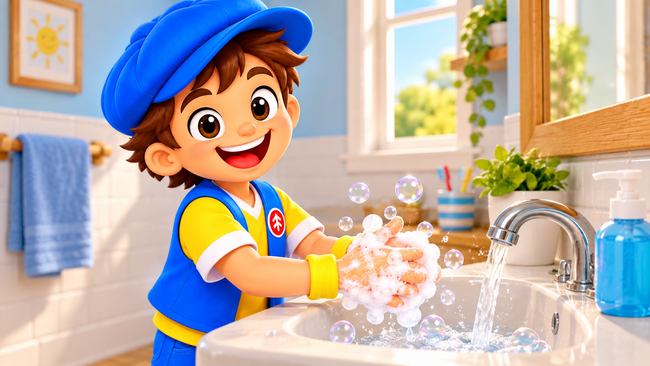
Good News Tommy has a bubbly reminder: scrub all over your hands for at least 20 seconds, rinse thoroughly, and dry with a clean towel.
A familiar song can make those 20 seconds more enjoyable for younger children.
8. Remember That Halloween Is About More Than Candy
Some children will fill their buckets. Others may decide they're finished after just a few houses.
That's perfectly fine.
Halloween can be about dressing up, admiring decorations, practicing polite greetings, exploring the neighborhood, and sharing a special family experience.
Children who don't want to trick-or-treat can still enjoy pumpkin decorating, Halloween stories, costume parades, or age-appropriate community events.
The best Halloween is one that works for your family.
The Good News for Parents
Trick-or-treating doesn't have to be complicated. With a little preparation, clear safety rules, and realistic expectations, Halloween can become a wonderful opportunity for family connection.
Children can practice good manners, build confidence, experience neighborhood traditions, and learn to make safe choices while enjoying the excitement of the holiday.
And parents can relax a little knowing they've planned ahead.
So grab those costumes, bring a flashlight, hold those little hands, and enjoy the adventure together.
Happy Halloween from Good News Tommy and everyone at Storybooksong!